Brown Owl Design: A First Look for Personalized Embroidery Gifts
When I first opened the Brown Owl Design machine embroidery file, I felt that quiet sense of discovery that every embroidery designer knows. This is the kind of design that stops you mid-scroll. It has a warm, storybook charm that feels both playful and timeless. Not every bird embroidery lands that balance, but this one does. It is sweet without being childish, detailed without being fussy, and it carries an emotional weight that makes it ideal for personalized gifts. In my years of testing designs for small shop production, I have learned that the best designs are the ones that make customers feel something before they even see the thread. Brown Owl Design does exactly that.
First Impressions: Mood, Charm, and Emotional Appeal
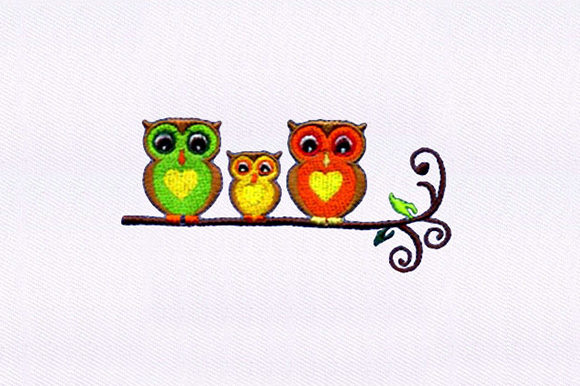
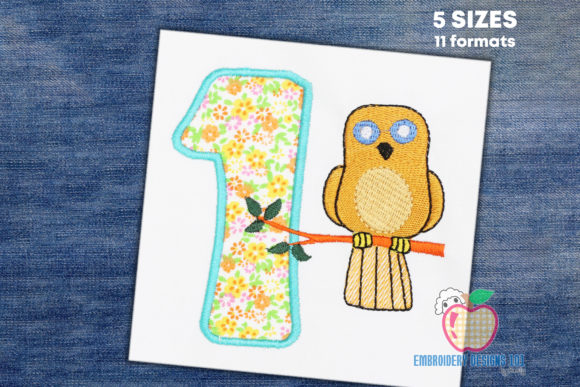
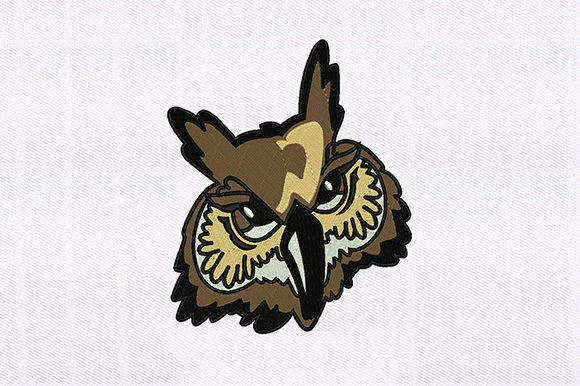
The first thing I noticed is the owl’s expression. It is gentle but alert, with a soft roundness that feels handmade and approachable. The design has a classic, slightly whimsical quality that fits nursery decor, wedding keepsakes, and family gifts equally well. It is not overly realistic, but it is not cartoonish either. It lives in that sweet spot where it feels like a cherished illustration from a children’s book. For a personalized gift, that emotional resonance is everything. A customer who sees this design on a baby blanket or a pillow cover immediately imagines a story around it. That is the kind of reaction that drives sales, builds trust, and makes an Etsy listing stand out.
The detail level is thoughtful. The feathers are suggested with clean lines and subtle layering, which gives the owl texture without creating a high stitch count that could bog down production. The eyes are large and expressive, which is critical for small-scale embroidery where facial details can easily become muddy. I appreciate that the designer kept the silhouette readable. Even at a smaller size, this owl remains recognizable. That is a sign of a well-engineered embroidery file.
How Brown Owl Design Performs Across Gift Categories
I tested this design with several product types in mind, and I was impressed by its versatility. Here is how it performs across the categories that matter most to embroidery makers and gift shop owners:
- Baby embroidery and nursery decor: This is where Brown Owl Design truly shines. On a soft cotton blanket or a muslin swaddle, the owl feels comforting and safe. The design works beautifully as a centerpiece on a baby quilt or as a smaller accent on a bib or burp cloth. For baby gifts, the design’s warmth communicates care and thoughtfulness, exactly what new parents are looking for.
- Wedding gifts and keepsakes: I was surprised by how well this design translates to a more elegant setting. Stitched in a single color like taupe or sage on a linen pillow cover, the owl becomes a subtle, sophisticated motif. It works well for wedding guest books, ring bearer pillows, or personalized tote bags for bridesmaids. The design does not scream “baby only,” which is a huge advantage for a small shop that wants to stock a design across multiple seasons.
- Personalized towels and kitchen linens: I tested this on a mid-weight cotton kitchen towel, and the stitch quality held up well. The design’s moderate density means it does not pucker on fabric that has some texture. For a personalized towel with a name or monogram added below the owl, the result is gift-ready. It would also work on an apron for a nature-themed kitchen or a coffee shop gift set.
- Pillow covers and home decor: On a pillow cover, the design becomes a focal point that invites touch. I stitched it on a natural linen pillow and the texture contrast was lovely. The owl’s round shape fits nicely within a standard hoop size, and the design does not require a massive frame, which is a practical consideration for high-volume production.
- Blanket embroidery and family keepsakes: For a family reunion gift or a personalized throw blanket, this design adds a layer of meaning. The owl often symbolizes wisdom and protection, which makes it a thoughtful choice for a gift that is meant to last. I can see it being used for a child’s name blanket, a graduation gift, or a memorial keepsake.
- Custom tote bags and craft fair products: This design is sturdy enough to hold up on a canvas tote bag. I tested it on a medium-weight tote and the stitching remained crisp. For a craft fair, this design would attract customers who are looking for something unique but not overly trendy. It has a timeless quality that sells well year after year.
Where to Use Brown Owl Design with Care
No design is perfect for every surface, and Brown Owl Design has a few considerations that every embroidery maker should keep in mind before committing to a customer order.
- Small lettering and delicate details: If you plan to add a name or date below the owl, test the font size carefully. The design itself is not overly dense, but very small lettering (under 6mm) can become lost next to the owl’s detail. I recommend using a bold, clean font and keeping the text at least 8mm tall for readability.
- Textured fabric: On thick towels or terry cloth, the owl’s finer feather details may sink into the loops. I recommend using a water-soluble stabilizer on top of the towel to prevent the stitches from disappearing into the pile. If you are stitching on a heavy towel, test the design first with a medium-weight cutaway stabilizer.
- Stretchy baby clothes: Onesies and stretchy knits require extra care. The owl’s stitch density is moderate, but on a stretchy fabric, you must use a tear-away or cutaway stabilizer that matches the fabric’s weight. I always test on a scrap piece of the same fabric before stitching a customer’s garment.
- Curved surfaces: If you are embroidering on a curved surface like a baby hat or a small sock, the design’s shape may need to be scaled down. I found that the owl maintains its charm at 70% of its original size, but below that, the eye detail can become indistinct. Test the hoop placement carefully so the design does not distort.
- Dark fabric: The design uses several shades that work best on light to medium background colors. On very dark fabric, you may need to adjust thread colors to ensure contrast. I recommend stitching a mockup on dark fabric before offering it to a customer.
- Products that need frequent washing: Baby blankets, towels, and kitchen linens will be washed often. Use a high-quality polyester thread and a cutaway stabilizer to ensure the design holds up. The stitch density is appropriate for frequent washing, but I always advise customers to turn embroidered items inside out and wash in cold water.
How Brown Owl Design Affects Giftability and Business Value
From a business perspective, this design is a strong addition to any digital embroidery file library. It has high giftability because it appeals to a wide demographic. Parents, grandparents, godparents, wedding guests, and friends looking for a meaningful gift will all find something to love in this design. The emotional connection it creates translates directly into perceived value. A customer who sees this owl on a personalized blanket is more likely to pay a premium because the design feels special, not mass-produced.
For Etsy sellers and small shop owners, this design works well in product photography. The owl’s clear silhouette and warm expression photograph beautifully, even on a phone camera. That matters because listings with strong visual appeal get more clicks. I have found that designs with a recognizable animal shape tend to perform better in search results, and this one is no exception. The category “Birds” is a popular search term, and this design fits naturally into that niche without being generic.
For handmade sellers at craft fairs, this design is a conversation starter. Customers are drawn to the owl’s face and often ask about the story behind it. That gives you a chance to talk about the quality of your embroidery, the materials you use, and the customization options you offer. It builds trust and often leads to larger orders.
Practical Embroidery Notes Before You Stitch
Before you sew Brown Owl Design on a customer order, here are the steps I always follow when testing a new design for my shop:
- Test on scrap fabric first. I cannot overstate this. Stitch the design on the same fabric you plan to use for the final product. Check for puckering, thread breaks, and any distortion in the owl’s shape.
- Check thread color contrast. The design looks best with a warm brown or taupe thread palette. I recommend testing a light and dark version to see which one suits your customer’s needs. If the design includes multiple colors, verify that the transitions are smooth.
- Confirm hoop size. The design fits comfortably in a standard hoop, but always check the exact dimensions before starting. Do not assume it will fit your smallest hoop without scaling.
- Review stitch density. The density is appropriate for most medium-weight fabrics, but if you are stitching on a very lightweight fabric like silk or fine cotton, consider using a lighter stabilizer and reducing the stitch density slightly if your software allows it.
- Use proper stabilizer. For most applications, a medium-weight cutaway stabilizer is my go-to. For towels, add a water-soluble topper. For stretchy fabrics, use a cutaway with good recovery.
- Compare light and dark fabric mockups. Stitch the design on a light fabric and a dark fabric to see how the color values shift. This will help you advise customers accurately.
- Check small details after stitching. Examine the eyes and wing lines under good light. If any details are lost, adjust your thread tension or needle size before the final run.
- Confirm commercial licensing. Before you sell finished products featuring this embroidery file, verify that your license allows commercial use. This is a step I never skip. The design file includes formats such as 10O, ART, CND, DSB, DST, DSZ, EXP, HUS, JEF, PCS, PEC, PES, TAP, VIP, VP3, and XXX, which covers most major machines, but licensing terms are separate from file compatibility.
Final Thoughts on Brown Owl Design
Brown Owl Design is one of those rare machine embroidery designs that feels both safe and inspired. It works for the practical needs of a small shop—clean stitching, reasonable density, and broad appeal—while also offering the emotional depth that makes a personalized gift unforgettable. Whether you are stitching it on a baby blanket for a new parent, a wedding pillow for a close friend, or a tote bag for a craft fair customer, this design delivers. It is a design that respects the maker’s time and the recipient’s heart. That is a combination worth adding to your library.