Blue Eyed Lion – A Designer’s First Look
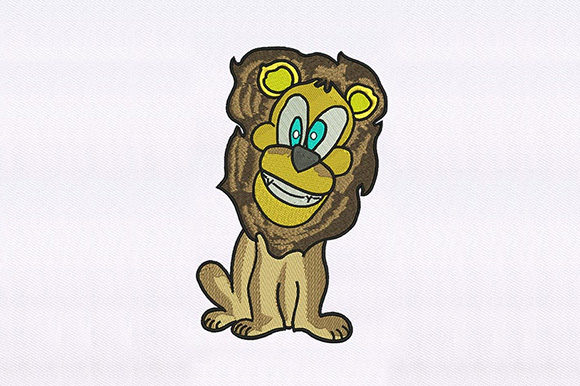
I’ve been digitizing and stitching out machine embroidery designs for over a decade. When a client recently asked for a lion-themed tote bag for a charity auction, I knew I needed a design that balanced striking detail with reliable stitch-out performance. That’s when I pulled up the Blue Eyed Lion. This isn't just another lion head in the Wild Animals category. It has a specific personality that immediately sets it apart, and I knew I had to look at it closely before committing it to a finished product.
The First Stitch Out: Why the Blue Eyes Matter
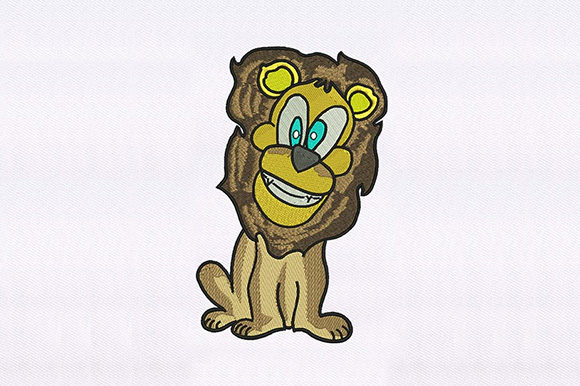
The first thing you notice is, of course, the piercing blue eyes. In a sea of brown and gold lion motifs, this detail grabs attention. It shifts the design from a generic wildlife graphic into something more stylized and modern. The mane is constructed with a mix of satin stitch accents and layered fill stitch textures, giving it a dimensional, almost regal feel. The layout is well-centered, making it ideal for jackets, center chest logos, or large tote bags. The design feels confident but approachable—not overly aggressive, which broadens its appeal for both adult apparel and children’s nursery decor.
When I loaded the embroidery file into my software to preview the pathing, I was impressed by the logical stitch order. The design minimizes unnecessary trims, which is a huge plus for commercial production. The mood is one of quiet strength. It’s the kind of image that feels both classic and contemporary, making it a versatile asset for a craft business looking to offer a standout handmade product.
Stitching It Out: From Tote Bags to Toddler Sweatshirts
I tested the Blue Eyed Lion on a medium-weight cotton twill tote bag and a 50/50 blend sweatshirt. On the tote bag, the stitch density held up beautifully. The fill stitches covered the fabric completely without any gapping, which is a common issue with poorly digitized wild animal designs. The satin stitches around the eyes and nose were crisp and clean, with no visible pull or push compensation issues.
For the sweatshirt, I used a medium weight cutaway stabilizer, and the design sat flat with no puckering. This is a crucial test for any commercial embroidery project—if it puckers, it looks amateur. The Blue Eyed Lion passed easily. I can easily see this as an embroidered patch on a denim jacket or a centerpiece for a pillow cover. The detail level is high enough to feel premium but not so dense that it becomes a stiff, unwearable badge.
I also ran a test on a structured cap using a curved hoop. The design handled the curve surprisingly well, though it required a firm backing and careful hooping. For a custom apparel order like a baseball cap, this design would look fantastic as a front-center logo. The thread colors I chose—a bright royal blue, golden yellow, and warm brown—created a beautiful contrast that made the lion’s face pop from a distance.
A Real Product Scenario: The Baby Blanket Order
I recently stitched this out for a custom baby blanket order. The parents wanted a strong, guardian animal motif for the nursery. The Blue Eyed Lion fit perfectly. The blue eyes matched the room's accent color, and the dimensional mane gave it a high-end, boutique feel. The blanket was a hit, and it felt like a personalized gift that actually had weight and quality. It’s this kind of reaction that makes a design valuable for Etsy sellers and small shop owners.
Where to Proceed with Caution: Hoop Size and Fabric Choice
No design is perfect for every surface. The Blue Eyed Lion has a noticeable stitch count and density. While it performs beautifully on structured fabrics, I would be cautious using it on lightweight, sheer t-shirts or very stretchy baby onesies without a heavy-duty stabilizer and a careful test stitch. The density could cause the fabric to ripple or the stitches to break if not properly supported.
Similarly, while it can fit on a cap, the curved surface of a structured hat might distort the symmetry of the mane if not properly capped. I recommend a larger hoop size for this design to maintain the integrity of the fill stitches. Testing on a scrap fabric of the same texture is non-negotiable here. The beauty of the blue eyes relies on precise placement of the satin stitch, which can be lost on dark, textured fabrics where the thread tension might pull differently. If you are working with dark fabric, consider using a white or light gold underlay to ensure the colors remain vibrant.
Why This Design Sells: Product Value and Customer Trust
For Etsy sellers and small shop owners, the visual appeal of a finished product is everything. The Blue Eyed Lion photographs beautifully. When I added the finished tote bag to my printable mockup, the contrast of the blue eyes against the gold mane immediately caught the eye. This is a design that customers will notice and trust as a high-quality handmade product.
It lends itself well to personalized gifts—adding a name under the design using a clean running stitch font would elevate it for custom baby blankets or birthday gifts. It’s a design that feels like a complete statement, which reduces the need for complicated layout planning. It builds brand consistency if you’re curating a themed collection for a craft fair or boutique. The design feels expensive, which means you can price your finished product accordingly. It adds a level of professionalism and recognition that simple text or basic shapes just can’t match.
The Designer’s Checklist: Before You Hit ‘Stitch’
Before you load this into your machine, here are my notes from the test run:
- File Formats: The package includes 10O, ART, CND, DSB, DST, DSZ, EXP, HUS, JEF, PCS, PEC, PES, TAP, VIP, VP3, XXX. This is a comprehensive list, covering almost all home and commercial embroidery machines. Always check your specific machine compatibility before purchasing a digital embroidery file.
- Stabilizer: Use a medium to heavy weight cutaway stabilizer. Tearaway might not provide enough support for the fill stitch density, especially on knit fabrics.
- Thread Colors: The contrast is key. The blue eyes need a bright, vibrant blue thread. Don't substitute a dull color. Test the gold/yellow of the mane against your fabric—black or dark denim makes it pop, while white or light khaki keeps it soft.
- Licensing: This is a machine embroidery design. Verify the license terms before producing finished products for sale. Most standard designs allow commercial embroidery use, but it’s your responsibility to check the digital embroidery file’s end-user license agreement, especially if you plan to sell the design assets or use them on a large production scale.
- Hoop Size: Ensure your hoop size is adequate. Trying to cram it into a small hoop will clip the mane and ruin the proportions. Check the dimensions of the embroidery project in your software before cutting fabric.
- Test Stitch: Always run a test stitch on a scrap of your actual fabric. Check for gapping, thread breaks, and tension issues. Adjust your stitch density or underlay if necessary.
Final Thoughts on the Blue Eyed Lion
The Blue Eyed Lion is a robust, visually striking embroidery file that delivers on its promise. It requires a bit of respect during setup—the density means you can't rush the stabilization—but the result is a professional-grade finished product that will elevate your craft business. Whether for a custom apparel order, a holiday gift, or a stock item for your Etsy shop, this lion has the presence to become a bestseller in your design assets. It’s a design that actively helps you sell your finished product, and in the world of embroidery, that is the highest compliment I can give.